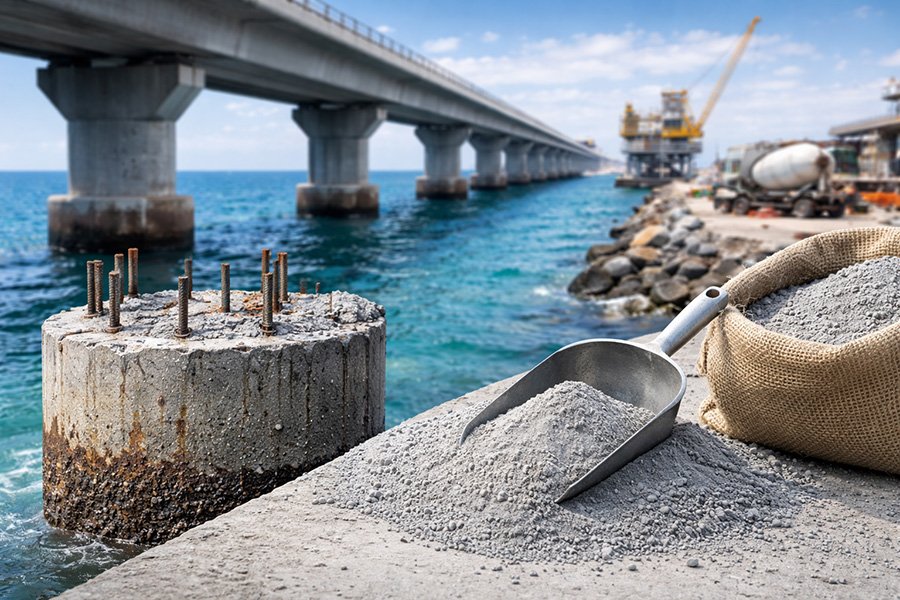
Marine concrete structures—such as bridges, ports, offshore platforms, and coastal buildings—are constantly exposed to aggressive chloride environments. Chloride ions from seawater and deicing salts penetrate concrete and cause corrosion of steel reinforcement, leading to cracking, spalling, and premature structural failure.
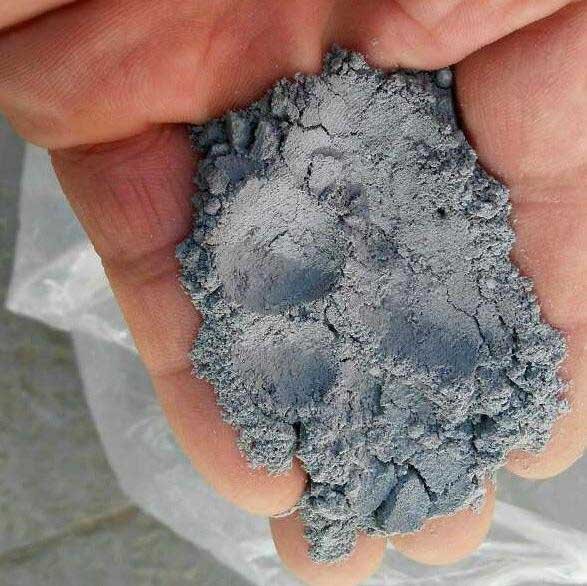
One of the most effective methods to improve chloride resistance in marine concrete is the use of silica fume (microsilica). This ultra-fine pozzolanic material significantly enhances concrete durability, especially in harsh marine environments.
Why Chloride Resistance Is Critical in Marine Concrete
Chloride-induced corrosion is the leading cause of deterioration in marine reinforced concrete structures. When chloride ions penetrate concrete and reach steel reinforcement, they destroy the passive oxide layer on steel, triggering corrosion.
Include:
- Expansion and cracking of concrete cover
- Loss of bond between steel and concrete
- Reduction in structural load-bearing capacity
- High maintenance and repair costs
How Silica Fume Improves Chloride Resistance
Micro-Filling Effect (Pore Refinement)
Silica fume particles fill micro-pores and capillary voids in the cement matrix. This densifies the concrete microstructure, reducing permeability and making it harder for chloride ions to penetrate.
Result: Lower chloride diffusion coefficient.
Pozzolanic Reaction (CH Consumption)
Silica fume reacts with calcium hydroxide (CH) produced during cement hydration:
SiO₂ + Ca(OH)₂ → C-S-H gel
This reaction forms additional calcium silicate hydrate (C-S-H), which is the primary strength-giving phase in concrete.
Benefits:
- Reduces weak CH crystals
- Produces more dense and stable C-S-H
- Improves chemical durability
Reduced Water Permeability
Concrete with silica fume has significantly lower water absorption and permeability. Since chloride transport often occurs via water ingress, reduced permeability directly enhances chloride resistance.
Improved Interfacial Transition Zone (ITZ)
Silica fume refines the ITZ between cement paste and aggregates, eliminating microcracks and weak zones where chlorides can easily migrate.
Silica Fume vs Ordinary Concrete
Typical improvements when using 5–10% silica fume (by cement weight):
| Property | Improvement |
|---|---|
| Chloride diffusion coefficient | ↓ 50–90% |
| Water permeability | ↓ 70–90% |
| Compressive strength | ↑ 15–40% |
| Carbonation depth | Slightly reduced |
| Freeze-thaw resistance | Improved |
Recommended Dosage for Marine Concrete
Typical silica fume dosage:
- 5–10% of cementitious materials for marine durability
- 8–12% for high-performance marine concrete
- 10–20% for UHPC or offshore structures
Key design considerations:
- Use high-range water reducers (superplasticizers)
- Control water-binder ratio (≤ 0.40 recommended for marine exposure)
- Ensure proper curing to prevent surface cracking
Applications of Silica Fume in Marine Concrete
Silica fume is widely used in:
- Coastal bridges and piers
- Offshore oil and gas platforms
- Port pavements and quay walls
- Seawalls and breakwaters
- Marine precast elements
- Floating concrete structures
Many international standards (ACI, EN, BS, JSCE) recommend silica fume for aggressive chloride environments.
Design Tips for Marine Silica Fume Concrete
To maximize chloride resistance:
- Use low water-binder ratio (0.30–0.40)
- Combine silica fume with fly ash or slag for synergistic durability
- Ensure adequate curing (minimum 7–14 days moist curing)
- Use corrosion-resistant reinforcement (epoxy-coated or stainless steel if critical)
- Apply surface sealers in extremely aggressive zones
About Henan Superior Abrasives
Henan Superior Abrasives is a professional supplier of high-purity silica fume for concrete applications, offering:
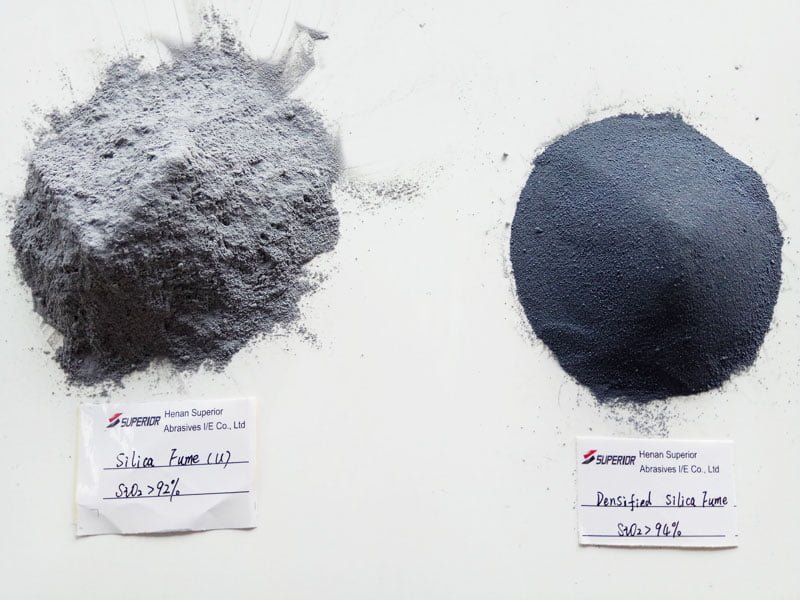
- Undensified and densified silica fume
- Silica fume slurry solutions
- Consistent quality for marine and UHPC projects
- Bulk and bagged silica fume export worldwide
👉 Contact us to get technical datasheets and marine-grade silica fume solutions.